Top Oblique Aerial Pontoon Plane Pattern
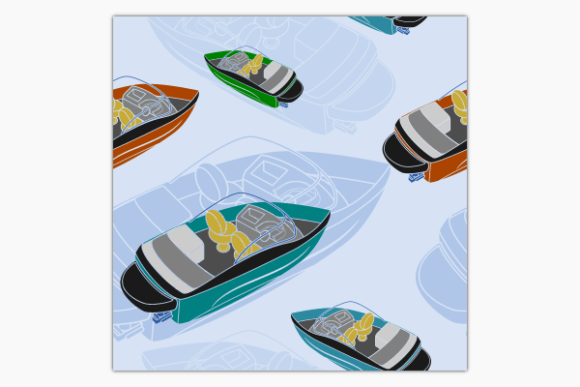
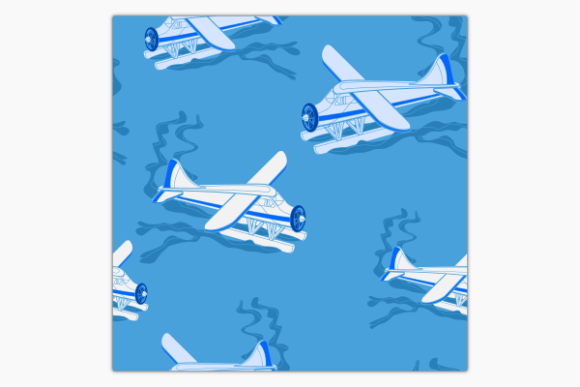
When I first opened the Top Oblique Aerial Pontoon Plane Pattern, I immediately felt a wave of summer nostalgia. The view is a top three-quarter oblique front angle of a pontoon plane floating on softly rippling blue water, and it repeats as a seamless pattern. The mood is breezy, adventurous, and a little whimsical. For an embroidery designer, that first impression matters a lot. You look at a graphic like this and start imagining not just how it looks on screen, but how it will feel when stitched onto a canvas tote, a child’s sunhat, or a linen pillow cover. The vector is clean and editable, so you can scale it, recolor the water, or adjust the plane’s details before ever importing it into your digitizing software. As a pattern, it’s built to tile, which opens up some interesting possibilities for all-over embroidery backgrounds, but also demands a thoughtful approach to hoop placement and fabric alignment.
I recently tested a similar concept while preparing a small batch of boutique beach bags for a local craft fair. The client wanted something that felt like vintage travel posters but translated into textile. With the Top Oblique Aerial Pontoon Plane Pattern, I could see it working beautifully as a repeated motif across the front panel of a sturdy canvas tote. The plane itself has enough detail to remain recognizable even when simplified for embroidery, and the wavy water lines are smooth enough to translate into flowing satin or running stitches. The oblique angle gives the plane a sense of motion, which is a design quality that often looks flat in embroidery unless the digitizer handles it well. Here, the angle naturally creates depth, so the finished product feels more dynamic than a straight side-view airplane.
First Impressions and Visual Personality
The overall mood is lighthearted and travel-inspired. The pontoon plane sits on the water like a calm invitation to a lake getaway. The pattern repeats seamlessly, which means you could use it as a background for a larger composition, or even fill an entire garment back with a subtle tonal version. The blue water waves are delicate, not overly busy, which is a huge plus when you think about stitch density. Too many tiny overlapping lines in a pattern can turn into a stiff, bulletproof embroidery block. Here, the wavy lines are spaced out enough that you can keep the stitch count reasonable while still getting that watery texture.
What I appreciate most as a designer is that the plane isn’t cartoonish. It has a realistic enough silhouette to appeal to adults who love aviation or lake life, yet it’s friendly enough for a child’s nursery decor. The top three-quarter view means you see the wings, the cockpit, and the pontoons clearly, which gives the design a storybook quality. For a custom apparel project, like a linen shirt or a lightweight sweatshirt, this pattern could be scaled down to a subtle all-over print or enlarged as a single statement motif on the back. The editable SVG format means you can isolate just the plane and water for a standalone design, or keep the repeat for a background texture.
Where This Design Shines in Real Embroidery Projects
I think the strongest application is on medium-weight natural fabrics like cotton canvas, linen, or denim. The texture of the water waves will show up nicely on a slightly textured fabric, and the plane’s lines can hold crisp detail if you use a small satin stitch or a well-placed fill stitch. For a tote bag design, you could place a single large plane on the front pocket and let the pattern repeat as a border along the top edge. The contrast between the sky-inspired blue water and the plane’s body (likely white or silver if you keep the original palette) creates an instant focal point.
Another area where this pattern would work well is nursery decor and baby embroidery. A soft bamboo blanket with a tonal version of the pattern stitched in a pale blue thread could become a treasured gift. The theme is gentle and gender-neutral, avoiding overly cutesy motifs while still feeling playful. For a personalized gift, you could add a child’s initials in the cockpit area or along the waterline, making the piece feel custom without overpowering the design.
For the craft business owner looking to expand their summer product line, this pattern fits into a nautical or adventure theme without being cliché. Think of pairing it with simple anchor or cloud motifs, or using it as a standalone repeating pattern on a kitchen towel set for a lakeside cabin. If you sell on Etsy or at craft fairs, having a recognizable but not overly trendy design gives your products a longer shelf life. The pontoon plane has a timeless aviation feel that won’t look dated next season.
When to Be Cautious with the Pattern
As much as I love the design, there are scenarios where the Top Oblique Aerial Pontoon Plane Pattern needs careful handling. The repeating nature means that if you’re working with a small hoop size, you might only fit one or two repeats, and that could look like a fragment rather than an intentional pattern. On a 4x4 hoop, for example, the plane might be too small to retain the cockpit and pontoon details clearly. You’d need to scale up the motif and sacrifice the seamless repeat, or use the plane as a single element and let the water waves act as a border.
Dark fabrics also pose a challenge. The original design relies on blue water against a lighter or transparent background. If you stitch it on a navy or black sweatshirt, the water could blend in unless you adjust the thread colors to a brighter aqua or add a subtle outline. I always recommend testing the design on a scrap of the final fabric with the actual thread colors you plan to use. A black and white mockup can reveal contrast issues immediately, and with an editable SVG, you can tweak the water to a lighter shade before digitizing.
Stretchy fabrics like jersey or performance wear require a different stabilizer strategy. The pattern has long, flowing lines that could distort if the fabric shifts during stitching. A cutaway stabilizer and a basting stitch around the edge will help keep the repeat aligned. For a sweatshirt embroidery project, you might want to stitch the design on a separate patch and then attach it, which also gives you the chance to center the pattern perfectly without worrying about hooping a thick garment.
On curved surfaces like caps, the pattern’s seamless repeat might not look as intended because the cap’s curvature will break the repeat visually. In that case, I’d extract a single plane motif and place it on the front panel, leaving the water waves as a simple underline. Always consider how the final product will be viewed; a pattern that looks great flat on a tote bag might feel disjointed on the rounded crown of a hat.
Practical Embroidery Designer Notes
Before you put this design into production, there are a few steps I always take with a new vector-based pattern like this. First, open the SVG in your digitizing software and check the scale. The editable nature of the file means you can resize without losing quality, but you need to confirm that the smallest details, like the plane’s wing struts or the water ripples, will still be stitchable at your chosen size. As a rule of thumb, any line thinner than 1mm at real size might be better as a single running stitch rather than a satin stitch, especially if you’re using a 40-weight thread.
Next, review the stitch density. The water’s wavy pattern is inviting, but if you fill it with a dense tatami stitch, the fabric will become stiff and the repeat might pucker. I’d digitize the water as a light fill with a subtle pattern, or even use a running stitch in a single color for a sketchy, hand-drawn effect. The plane itself can carry more density to pop forward, but don’t overdo it. A balanced approach keeps the design soft and wearable.
Test the design on a scrap of the exact fabric you’ll use for the final product. Pay attention to the thread colors: a silver or light gray plane on a white background can look washed out, so you might want to add a thin outline in a medium gray or navy. The blue water should be distinct from the fabric color, and if you’re stitching on a busy patterned fabric, the design might get lost. This is where a printable mockup can help you preview the final look before you even thread the machine.
How the Pattern Affects Product Value and Customer Perception
From a seller’s perspective, the Top Oblique Aerial Pontoon Plane Pattern adds a layer of storytelling to a handmade product. A customer buying a personalized gift or a boutique product isn’t just looking for a functional item; they want something that feels intentional and unique. A plane motif like this evokes memories of travel, lake vacations, or even a loved one’s passion for aviation. When you stitch it onto a pillow cover or a baby blanket, you’re not just decorating a useful object. You’re giving it a narrative that the buyer connects with emotionally.
That emotional connection translates directly into customer trust and repeat business. If someone receives a beautifully embroidered kitchen towel with this pattern as a housewarming gift, they’re likely to come back to you for a wedding gift or a holiday present. The design’s timeless quality means it won’t feel like a fleeting trend, which is important for crafters who want to build a consistent brand identity over time.
Final Thoughts Before You Stitch
The Top Oblique Aerial Pontoon Plane Pattern is a versatile, professionally drawn vector that can become a strong asset for embroidery projects if you approach it with a clear plan. It’s not a plug-and-play embroidery file; it’s a graphic that you’ll need to digitize, adjust, and test. But the effort is worth it for the unique look it brings to summer-themed products, travel-inspired gifts, and boutique decor. The seamless repeat gives you flexibility, and the oblique angle sets it apart from simpler clip-art planes.
My advice: start with a single, well-placed motif on a tote bag or a sweatshirt, get comfortable with how the stitches translate, and then explore the all-over pattern possibilities. Keep your stabilizer choice appropriate for the fabric, and always, always test on a scrap first. If you’re planning to sell finished items made with this design, make sure you have the proper commercial license for the vector file. The editable SVG format is a gift for designers who want to customize every detail, so don’t be afraid to tweak the colors or simplify the water lines to match your thread palette. With a little care, this pattern can become a signature piece in your handmade collection.