Grunge Fluffy Seamless Pattern: An Embroidery Designer’s Take
First Impressions: Texture, Mood, and a Striking Fluffy Edge
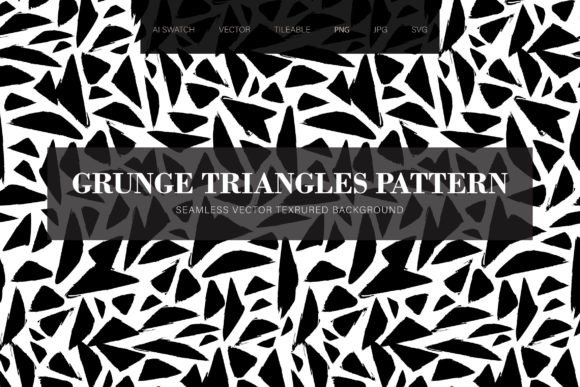
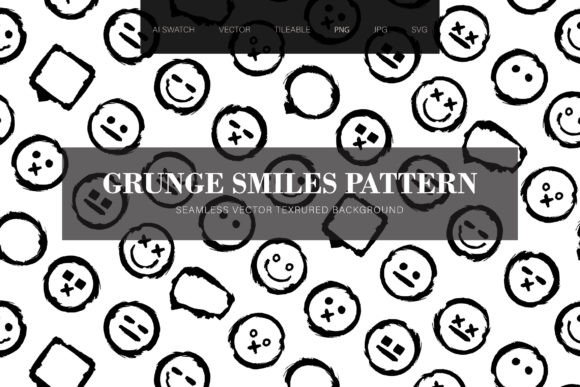
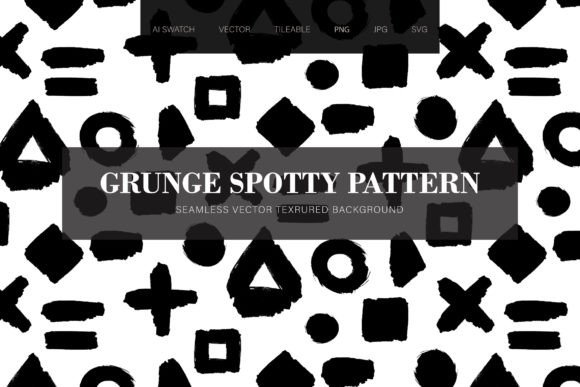
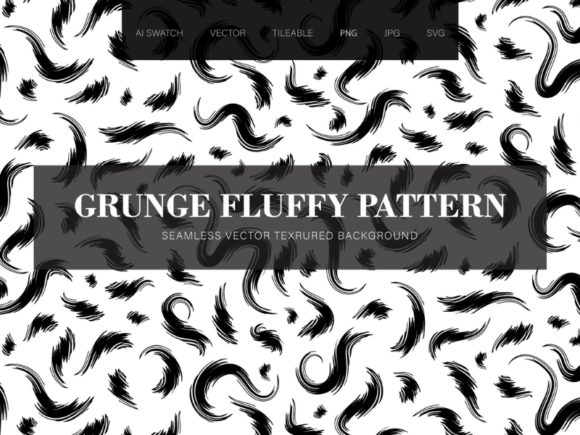
When I first opened the Grunge Fluffy Seamless Pattern, I immediately felt a pull toward something raw and wonderfully unpolished. The brushstroke hand-drawn fluffy feather shapes and grunge spots create a visual that feels like a designer’s sketchbook page brought to life. It’s abstract, a little rugged, and far from the overly perfect digital patterns that flood the market. The texture nods to paper and brush, giving it a human touch. As an embroidery designer, I’m always looking for artwork that translates into stitches with personality, and this one has it in spades. The seamless layout means you can scale it up or tile it without losing the organic flow. For a boutique project, this pattern immediately whispers “understated luxury” with a modern, fashion-forward edge.
Where This Design Shines in Real Embroidery Projects
I can see the Grunge Fluffy Seamless Pattern working beautifully across a range of products. It’s not a one-trick design. Custom apparel comes to mind first: a relaxed-fit sweatshirt with the pattern stretched across the back, paired with simple satin-stitched initials, would be a showstopper. Tote bags are a natural fit. A heavyweight canvas tote with this pattern as a full front panel becomes an instant statement piece. Patches crafted from a cropped section of the pattern, with irregular cut edges, tap into the current trend for handmade, artful embellishments. For home decor, I’d use it on linen tea towels, pillow covers, or even a nursery blanket if the thread palette leans soft. The abstract nature makes it gender-neutral and appealing to a wide audience. Holiday gifts, wedding favors, and small-run boutique merchandise all benefit from the pattern’s unique, painterly texture.
The Real-Life Test: Thinking Through a Custom Tote Bag Project
Let me walk you through a scenario I’m currently planning. A client sells handmade ceramics and wants a matching embroidered tote bag for her brand. Her aesthetic is organic, tactile, with a hint of urban edge. The Grunge Fluffy Seamless Pattern feels like the missing piece. I’d digitize it to fill a 10x10 inch area, using a mix of stitch types: fill stitches for the denser spots, and looser running stitches with a sketchy, uneven quality for the feathery strokes. The grunge spots would be built with a slightly higher density to give them substance, while the fluffy elements would remain airy to echo the hand-drawn origin. Testing on scrap canvas with a medium-weight cutaway stabilizer is non-negotiable—canvas can pucker if the stitch density is too heavy. I’d choose a warm grey and cream thread palette, maybe with a single metallic gold thread for a few accent spots. After stitching, the tote would have a tactile, artist-made feel. Customers would perceive it as a premium product, and that’s exactly the kind of value the Grunge Fluffy Seamless Pattern can deliver when used thoughtfully.
Nuances That Separate a Good Stitch-Out from a Frustrating One
The abstract character of this pattern is a blessing and a challenge. There are no crisp outlines to follow, so a slightly misaligned stitch won’t ruin the design. That’s forgiving. However, the “fluffy” feather shapes can easily lose their light hand if I over-digitize them with dense satin columns. I’d lean heavily on running stitch interpretations and keep the fill density moderate. The grunge spots, on the other hand, need enough coverage to read as solid shapes, but not so much that they stiffen the fabric. Testing on the exact fabric you plan to use is critical. Thin or stretchy fabrics demand a careful stabilizer choice—cutaway for knits, tear-away for wovens, and sometimes a water-soluble topping to keep the texture from flattening. Small hoop sizes aren’t a dealbreaker; the seamless nature lets you crop a compelling section, and the abstract design means any patch looks intentional. Dark fabric will swallow the texture if thread colors are too close, so always test contrast. The pattern’s grunge vibe actually thrives on a little visual irregularity, so don’t stress about absolute perfection.
Commercial Use, Licensing, and the Small Business Perspective
As someone who sells embroidered goods and occasionally creates digital embroidery files for other crafters, I pay close attention to licensing. This Graphics product falls under the Patterns category, which generally means it’s a design asset. But the description includes “Min,” and I can’t assume what that covers. Before I stitch anything for a client or list a finished product on Etsy, I’ll confirm the license terms directly. Can I use the stitched result on items I sell? Can I create and sell digital embroidery files based on this pattern? Without clear terms, it’s a gamble. Transparent licensing builds trust with your customers and keeps your business safe. If you’re using the Grunge Fluffy Seamless Pattern for personal projects, you’re likely fine. But for commercial embroidery projects, double-check. Many small shop owners overlook this, and it can lead to problems down the line.
Boosting Product Value and Customer Engagement with a Unique Pattern
There’s a reason hand-drawn textures are so popular right now. Buyers are drawn to products that feel authentic, not mass-produced. The Grunge Fluffy Seamless Pattern does exactly that. A plain sweatshirt becomes a boutique piece. A simple canvas tote turns into a conversation starter. When I incorporate this kind of design into a line of products—say, a set of matching aprons and tea towels—the entire collection feels cohesive and intentional. For holiday gifts, a set of linen napkins adorned with this pattern in deep forest green and gold would be memorable. The grunge element keeps it from being too precious, making it equally at home in a modern nursery or a fashion-forward accessory line. This is the kind of pattern that helps a small business build a recognizable brand identity, and that’s priceless.
Practical Tips Before You Stitch
- Test on scrap fabric that matches your final product. The texture behaves differently on canvas versus a knit sweatshirt.
- Check thread color contrast on both light and dark backgrounds. The grunge spots can disappear if the thread blends too well.
- Review stitch density carefully. The fluffy strokes need light, open stitches; the spots need enough coverage to read, but not so much that they cause puckering.
- Choose the right stabilizer. Cutaway for knits, tear-away for wovens, and a water-soluble topping if you want to preserve the hand-drawn texture.
- Scale wisely. If you shrink the pattern too much, the spots become tiny and may require a level of detail that some machines struggle with. Keep it at a size where the brushstroke marks are clearly visible.
- Use the seamless feature. Print a paper template for multi-hoop alignment. The grunge texture is forgiving of small misalignments, which is a huge plus.
- If you’re working from a pre-digitized file, confirm the hoop size, file format, and stitch count before purchase. The original product description doesn’t provide these, so you’ll need to verify.
- License check: Always confirm you can use the stitched design for commercial sale, especially if you’re selling the finished product or creating digital embroidery files.
Final Thoughts: A Pattern That Brings Handmade Soul to Embroidery
The Grunge Fluffy Seamless Pattern is far more than a decorative backdrop. It’s a mood-setter, a texture builder, and a tool for creating products that feel genuinely handcrafted. Its blend of raw brush marks and soft feathery shapes gives machine embroidery a soulful, imperfect beauty that customers love. While it asks for thoughtful digitizing and a bit of testing, the result is a design that elevates everything from a simple patch to a full garment. I’d confidently use it for client projects, boutique merchandise, and gifts that need that extra layer of artistic depth. For embroidery designers and small business owners, this pattern is a versatile, high-impact asset that can set your work apart in a very crowded market.