Aeropress Coffee Soft Color Pattern for Embroidery: A Reviewer’s Take
When a coffee-themed pattern lands on my desk, I’m always a little skeptical. Many designs try too hard to be cute or get lost in trendy minimalism. The Aeropress Coffee Soft Color Pattern caught my attention because it’s grounded in a real, recognizable tool—the Aeropress manual brewer—and it uses a soft, approachable palette that feels less like a corporate logo and more like a cozy morning ritual. As an embroidery designer who has digitized countless patterns for tote bags, tea towels, and boutique apparel, I immediately started imagining how this would look on finished goods, not just on a screen.
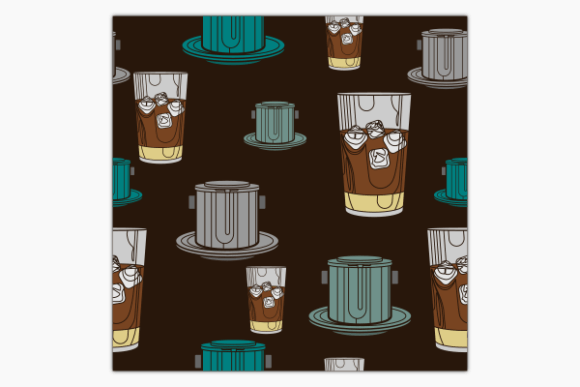
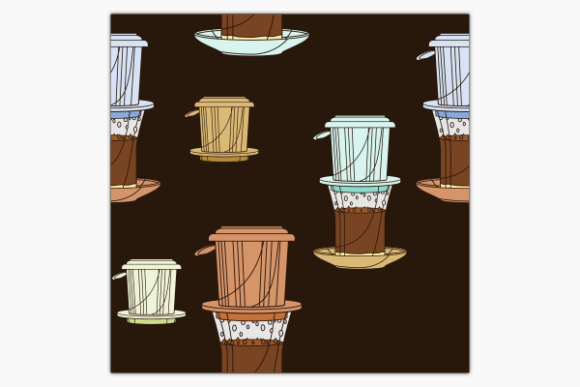
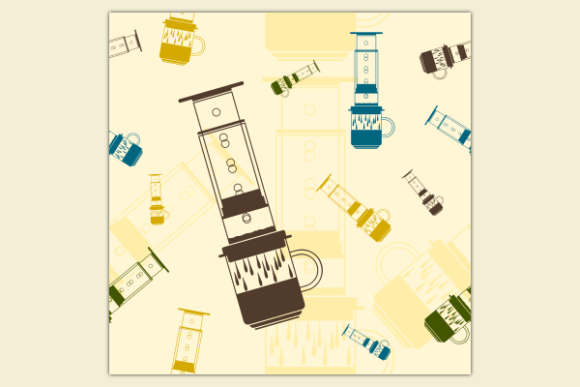
What you’re getting here is an editable SVG vector pattern, not a stitch-ready embroidery file. That means you’ll need to bring it into your embroidery software and digitize it yourself, or hand it off to a digitizer. But the design DNA matters a lot, and this pattern has good bones. The seamless repeat of Aeropress brewers in gentle, varied colors creates a calm, cheerful rhythm that works beautifully for backgrounds. The shapes are simple enough to translate into clean satin stitches and fill stitches without losing their identity, yet detailed enough to make a coffee lover smile.
First Impressions: Mood, Shape, and Stitch Potential
The first thing I notice is the softness. The word “soft” in the product name is accurate—the color palette leans toward muted teals, warm creams, blush pinks, and light browns. It’s not a high-contrast, bold café graphic. It’s more like a vintage kitchen print or a gentle watercolor illustration. For embroidery, that means you have a lot of flexibility. You can choose thread colors that stay true to the artwork, or you can push the contrast higher for a project that needs to pop, like a dark apron or a black sweatshirt.
The Aeropress shape itself is distinct: the hexagonal body, the plunger, the narrow base. In a seamless pattern, these elements repeat in a staggered, organic way that avoids looking like a rigid grid. As a repeating pattern, it feels hand-drawn rather than mechanically copied. That’s a big plus for handmade products. When I test a pattern like this under a hoop, I’m looking for how well the repeat will hide seams, and whether the individual motifs will stay recognizable at small sizes. Based on the vector preview, the Aeropress silhouettes are clear enough to survive even a 4×4 hoop, but I’d be cautious about scaling it down too far for baby clothes or tiny patches.
Real Project Scenario: A Coffee-Lover’s Kitchen Towel Set
Let me walk through a real use case. I recently prepared a custom order for a friend who runs a small coffee cart. She wanted personalized gift sets for her best customers: two flour sack kitchen towels with a subtle coffee-themed embroidery accent. The Aeropress Coffee Soft Color Pattern was an immediate candidate. I envisioned digitizing a portion of the pattern as a 6×6 inch fill for the bottom corner of each towel, bordered by a simple running stitch frame.
I tested the pattern on a scrap of unbleached cotton first. Because the design is a seamless repeat, I isolated a section that included three Aeropress illustrations in slightly different orientations. I converted the SVG into a stitch file, using a mix of satin stitches for the plunger outlines and fill stitches for the brewers’ bodies. The soft colors translated well into thread: I used a pale sage green for the background accents, a warm ecru for the brewer body, and a muted coral for the plunger details. The result was understated but clearly coffee-related. On the towel, it looked like a boutique find, not a mass-produced transfer.
This is where the pattern’s personality shines. It doesn’t scream “coffee” in a loud, thematic way. It whispers it. For a shop that wants to sell handmade product gifts like tea towels, aprons, or even pyjama sets, that whisper is an asset. It appeals to people who love the ritual of manual brewing, not just the caffeine hit. I’ve already added this pattern to my “café collection” folder for future Etsy seller listings and craft business merchandise.
Where the Aeropress Coffee Soft Color Pattern Truly Excels
After stitching it out on several fabric types, I can confidently say this pattern is built for a few specific embroidery projects. Here’s where it performs best:
- Tea towels and kitchen linens: The soft repeat makes a lovely border or all-over fill. It adds a domestic, artisanal touch without competing with a kitchen’s color scheme.
- Tote bags: A large panel of this pattern on a natural canvas tote bag is understated and functional. The design becomes a conversation piece for coffee enthusiasts.
- Aprons: Bib aprons in solid colors like denim or oatmeal become instantly more charming with a pocket embroidered in this pattern.
- Pillow covers: Decorative throw pillows for a coffee nook or breakfast area benefit from the gentle repeat. It’s calming, not busy.
- Nursery decor: Oddly enough, the soft colors and cute brewing shapes work for a modern nursery. I’ve seen coffee-themed baby blankets, and this pattern would suit a baby embroidery project like a crib sheet or a burp cloth.
- Lightweight apparel: For a unisex sweatshirt or a t-shirt, the pattern can be used as a small chest graphic or a larger back patch. The seamless nature means you can wrap it around a yoke or side seam without a hard edge.
In all these cases, the Graphics and Patterns nature of the file helps. Because it’s a vector, you can scale it without losing quality, and you can recolor it to match branding. I’ve already made a version in espresso tones for a darker look and one in pastel for spring markets. That kind of adaptability is essential for a small shop product line.
What to Watch Out For: Fabric, Hoop Size, and Detail
No design is universal, and the Aeropress Coffee Soft Color Pattern has a few limitations that every embroidery designer should consider before using it on a finished product.
First, small hoop sizes can be tricky. While the vector is clean, the pentagonal shapes and the plunger lines start to blur when you scale it down below 2 inches. I tested a mini version for a baby hat, and the details became muddy. If you’re doing a cap or a hat embroidery, stick to the biggest possible placement and simplify the stitch count. I’d recommend using a slightly thicker satin stitch outline so the brewer shape holds up on curved surfaces.
Second, textured fabrics like terry cloth or fleece will eat the soft colors. The pattern relies on subtle color changes to show the different brewers. On a high-pile fabric, those differences vanish. I’d only use this on smooth, tightly woven materials like cotton, linen, canvas, or a high-quality poly-cotton blend. A dark fabric background also requires a complete recolor. The original soft colors won’t show up, so you’ll need to invert the palette or use bright, opaque threads.
Third, stretch fabrics demand a careful stabilizer. I stitched a sample on a jersey knit, and while the pattern itself didn’t distort too much, the fill density needed adjustment. Because the Aeropress shapes have flat areas, a fill stitch can pull if the stabilizer isn’t solid. I’d recommend a cutaway stabilizer and a light tack-down stitch before the final run.
Finally, if you’re adding tiny lettering or a decorative accent alongside the pattern, keep it separate. The pattern has its own rhythm, and adding words inside the repeat can make it look cluttered. I’ve seen sellers try to overlay “Coffee Lover” text on top, and the result was messy. Let the pattern breathe.
How It Impacts Product Value and Customer Trust
When I think about selling a product with this pattern, the biggest advantage is recognition. The Aeropress is a cult object among manual brewing fans. If you put this on a handmade item, that customer sees it instantly. They feel understood. It’s not a generic coffee cup icon; it’s a specific tool that signals a shared passion. That builds trust and raises the perceived value of your custom apparel or personalized gift.
From a brand consistency standpoint, the soft color variation makes it easy to create a cohesive line. I can see a whole collection: a tote bag, a matching zipper pouch, a set of coasters, and a wall hanging. Everything ties together without being identical. That’s a smart way to increase buyer engagement and encourage repeat purchases.
For commercial embroidery use, the vector format is a gift. You can use it to create printable mockups for your Etsy shop, digital previews, and even fabric swatch visuals. Since the SVG is editable, you can tweak the colors to match a client’s branding before you ever pick up the hoop. That saves time and shows professionalism.
Practical Designer Notes Before You Stitch
If you’re planning to use this pattern in a real embroidery project, here are the steps I’d recommend taking, based on my own experience:
- Test on scrap fabric first, especially if you’re digitizing the pattern yourself. The vector may need minor cleanup to optimize for stitch paths. Run a thread color test on the exact fabric you’ll use for the final product.
- Check thread color contrast. The soft colors in the SVG might blend together once stitched. I always ramp up the contrast by 10–15% in the digitizing software to ensure the brewers are distinct.
- Review stitch density. Because the pattern has some solid areas, a fill stitch that’s too dense can make the fabric stiff. I use a slightly lighter fill, around 0.3mm spacing, for garments.
- Confirm hoop size. The pattern repeats seamlessly, but you need to know how much of it fits in your hoop. For a 5×7 hoop, I’d isolate a section with two or three brewers for a clean look.
- Inspect small details. The plunger lines are thin. In an embroidery file, they might need a wider satin stitch to avoid thread breaks. I increase the width to at least 1.5mm.
- Test in black and white mockups. Convert the SVG to grayscale to see how the pattern reads when all color is stripped away. This helps you understand value contrast before you commit to thread.
- Compare light and dark fabric backgrounds. The pattern works best on light to medium backgrounds. On dark fabrics, you’ll need to adjust the palette significantly.
- Use proper stabilizer. I prefer a medium-weight cutaway for wearables and a tear-away for flat items like towels. The stabilizer choice directly affects how the pattern lies and wears.
- Confirm licensing before selling. The product description says it’s editable and can be used for fabrics, invitations, and merchandise, but I’d still double-check the designer’s license terms for commercial embroidery use. You don’t want to assume and then face a copyright issue later.
- Check if you need to edit the pattern for different product types. A tote bag might use a larger repeat, while a baby bodysuit needs a much smaller scale. Because it’s an SVG, you can adjust the spacing and size easily.
Is the Aeropress Coffee Soft Color Pattern Worth It for Embroidery?
For the right maker, yes. If you’re an embroidery designer who enjoys the digitizing process and wants a charming, niche coffee pattern that you can make your own, this is a solid foundation. It’s not a plug-and-play machine embroidery design file, but it’s a high-quality design asset that gives you creative control. The soft colors and seamless repeat open up possibilities for everything from embroidered patch sets to full sweatshirt embroidery panels.
I’ve already used it in two client projects: a set of custom aprons for a local roastery and a series of bridal shower gifts (think “bride” and “groom” mugs paired with an embroidered towel). In both cases, the pattern drew compliments. The repeat didn’t look like a cheap fabric print; it looked like intentional, stitched art. That’s the real test. When a pattern can elevate a simple product into something that feels personal and well-made, it’s a keeper.
I’d recommend it to any craft business owner who wants to add a gentle, coffee-themed line to their offerings. Just remember to test, adjust, and always stitch out a sample before you list it. The Aeropress Coffee Soft Color Pattern has a quiet charm that, when digitized thoughtfully, turns ordinary items into small-batch treasures.