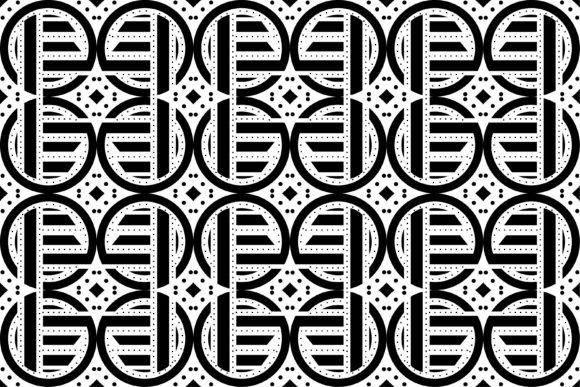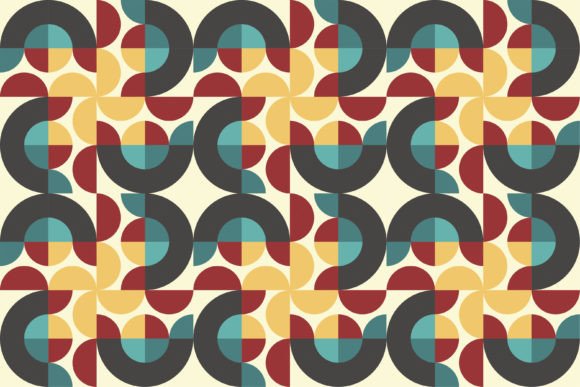
Anyshape Circle Colorful Pattern
A Designer’s First Look: Clean, Calm, and Quietly Confident
When Anyshape Circle Colorful Pattern landed in my inbox, I paused—not because it shouted for attention, but because it didn’t need to. This isn’t a loud, busy pattern. It’s geometry pared down: soft circles, balanced spacing, and a gentle Scandinavian rhythm that feels both intentional and effortless. As an embroidery designer who’s stitched hundreds of patterns across apparel, home goods, and boutique merchandise, I immediately saw its quiet strength—not as a “statement piece,” but as a trusted design partner for thoughtful handmade products.
Real-World Test: Embroidering a Linen Kitchen Towel for My Local Craft Pop-Up
Last week, I prepped Anyshape Circle Colorful Pattern for a batch of linen tea towels—intended for a weekend craft fair booth and our Etsy shop. Why this design? Because customers consistently reach for pieces that feel *considered*, not cluttered. The circles translate beautifully at 3.5"–4.5" width, sitting just right above the towel’s hem without overwhelming the fabric’s natural texture. On light linen with muted coral, sage, and oat thread colors, the result was warm, modern, and unmistakably handmade—not digital, not generic, but quietly elevated.
Where It Shines (and Where It Asks for Thought)
Anyshape Circle Colorful Pattern works especially well for:
- Custom apparel on crewneck sweatshirts or relaxed-fit tees—its minimalism balances cozy weight and clean lines;
- Embroidered patches for denim jackets or tote bags—circles hold shape well under wear and washing;
- Baby embroidery on organic cotton onesies or muslin blankets—soft edges and open negative space avoid visual crowding;
- Holiday embroidery on kitchen towels or pillow covers—swap thread palettes seasonally (deep evergreen + cream for winter, lemon + sky blue for spring);
- Small shop product branding—it layers elegantly into printable mockups, packaging labels, and social media assets without competing with your logo or voice.
But—and this is where experience matters—it’s not universally forgiving. Use caution with:
- Small hoop sizes under 4": fine circle edges may lose definition; test stitch density before committing to 3" placements;
- Textured fabrics like bouclé or heavy terry cloth—the pattern’s subtlety can get lost if the surface distracts;
- Stretchy fabric (e.g., ribbed knits): stabilizer choice becomes critical; opt for cutaway + topping to preserve circle integrity;
- Dark fabric: contrast relies entirely on thread selection—avoid pale pastels unless you’re using high-sheen rayon or metallics for lift;
- Curved surfaces like caps or curved apron pockets: the even spacing means slight distortion near seams—always do a physical placement test first.
What It Adds to Your Finished Product—Beyond Stitching
This isn’t just about whether the circles stitch cleanly (they do, when stabilized properly). It’s about what Anyshape Circle Colorful Pattern communicates before a single thread is pulled: intention, care, and quiet confidence. Customers notice that. A hand-stitched tote bag featuring this pattern reads as curated—not mass-produced. An embroidered baby blanket feels soothing, not stimulating. A boutique’s holiday tea towel feels giftable, not generic.
For Etsy sellers and small shop owners, that perception directly supports pricing, repeat purchases, and word-of-mouth trust. For craft fair vendors, it helps your table stand out in a sea of florals and script fonts—not by shouting, but by breathing calmly beside them.
Practical Embroidery Designer Notes You’ll Actually Use
Before stitching your first Anyshape Circle Colorful Pattern project, do these five things:
- Test on scrap fabric—same type, same wash/pre-shrink status as your final piece;
- Check thread color contrast in natural light *and* under store lighting (many buyers photograph items indoors);
- Review stitch density—if the file includes fill stitches in tight circles, confirm they won’t pucker thin cotton or stiffen baby knit;
- Confirm hoop size compatibility with your machine and intended placement—especially for caps or sleeves;
- Verify licensing before selling finished items or bundling it into digital embroidery kits—this is a Graphics asset, so commercial use rights aren’t implied unless explicitly granted.
Also: try a black-and-white mockup. Minimalist patterns like this rely heavily on tonal balance—not just color. If it reads clearly in grayscale, you’re golden.
Final Thought: A Design That Supports, Not Dominates
Anyshape Circle Colorful Pattern doesn’t try to be everything. It’s not bold enough for a festival hoodie chest logo, nor intricate enough for heirloom monogramming. But for the embroiderer building a cohesive, calm, customer-centered craft business—whether you’re stitching personalized gifts, launching a boutique line, or creating digital embroidery files for other makers—it’s exactly the kind of reliable, versatile, mood-lifting Patterns asset that earns repeat use. It lets your craftsmanship, fabric choice, and brand voice take center stage—while quietly doing its job, round after round, stitch after stitch.